Optimizing NMEA 2000 Bus Load for High-FPS Touchscreen App Rendering
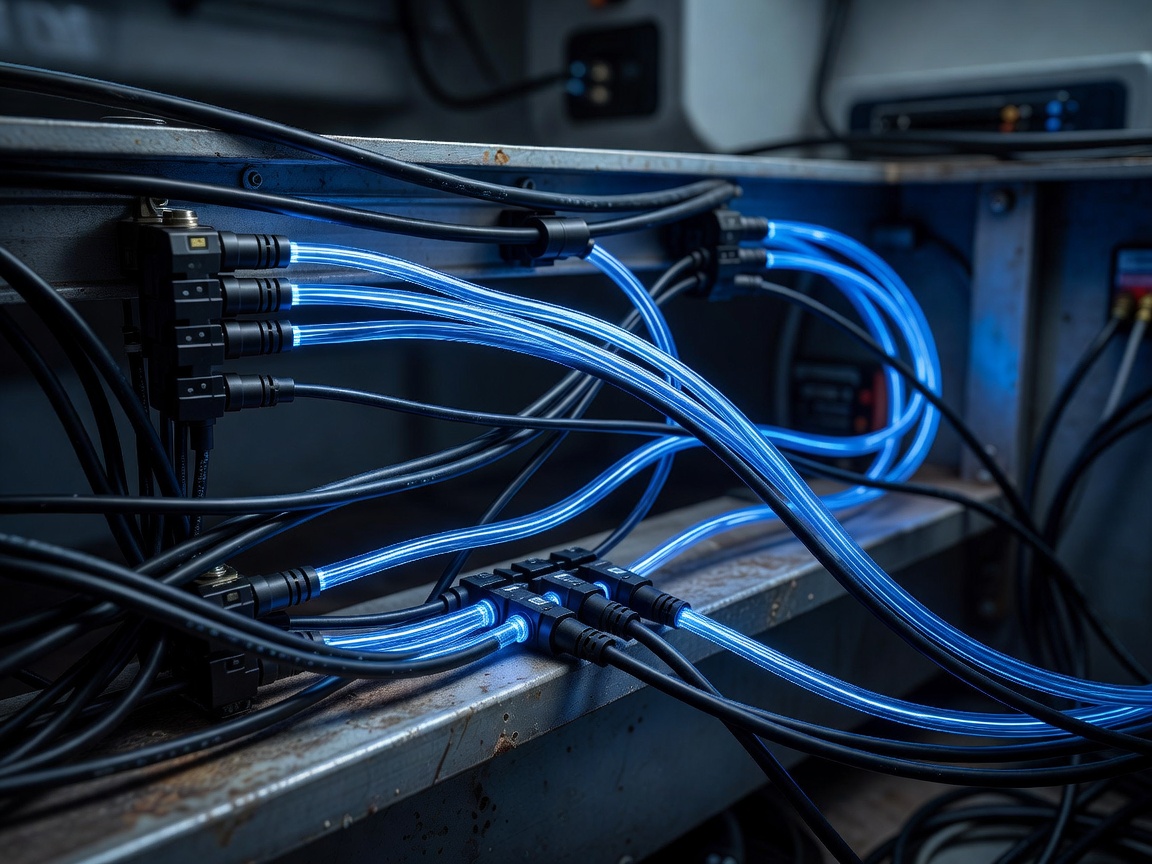
In modern multi-engine yacht installations, the NMEA 2000 CAN bus backbone operates at 250 kbps. When triple quad-outboard telemetry, active gyro stabilizers, forward sonar, and multi-zone HVAC controllers broadcast Parameter Group Numbers (PGNs) simultaneously, bus saturation can quickly exceed 85% capacity, introducing noticeable latency into mobile app UI rendering.
Message Arbitration & PGN Priority Throttling
Reelbridgenexxus hardware gateways solve this bottleneck using dual-stage hardware message filtering. By utilizing CAN 2.0B 29-bit extended identifier masks, non-critical telemetry frames (such as gray water tank levels or ambient air temperature) are rate-limited at the bridge level to 1 Hz, freeing bandwidth for critical rudder position, GPS fix (PGN 129029), and engine RPM (PGN 127488) feeds.
Zero-Copy Binary WebSockets to Mobile HUDs
Instead of converting raw CAN frames into verbose JSON objects on the server, the Reelbridgenexxus Core Engine serializes filtered byte arrays directly into packed binary WebSockets. On iOS and iPadOS client devices, WebGL-accelerated canvas components decode these buffers in GPU memory, maintaining a smooth 60 FPS refresh rate even during full-throttle sea trials.