The Future of Superyacht Automation in 2026: Fiber Nets & Onboard AI
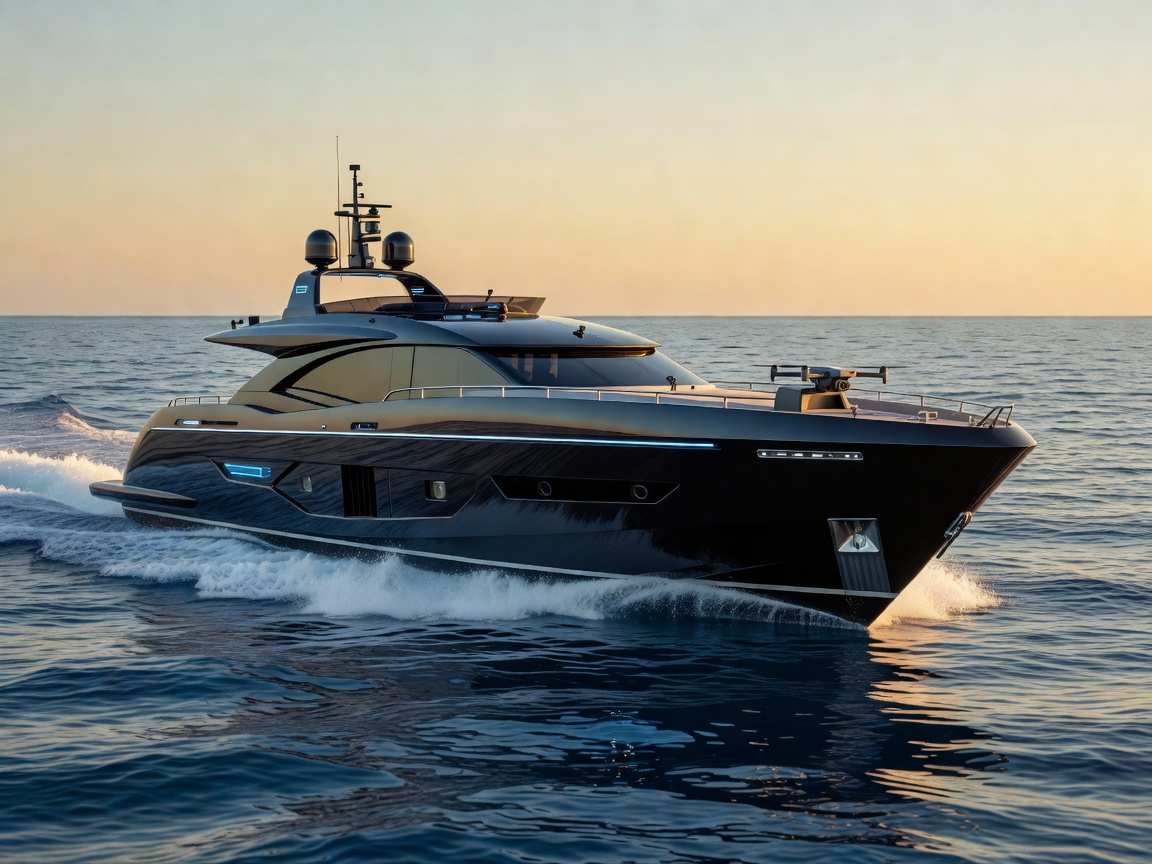
As modern motor yachts exceed 50 meters in length, traditional copper CAN-bus topologies are reaching their physical throughput bandwidth limits. In 2026, the maritime industry has overwhelmingly transitioned toward hybrid fiber-optic backbones coupled with localized artificial intelligence modules.
The Transition from Copper to Fiber Glass Backbone
Saltwater corrosion has historically been the greatest enemy of maritime electronics. Conventional wiring harnesses running through bilge zones degrade rapidly under electromagnetic interference from high-output diesel generators. Reelbridgenexxus’s fiber loop protocol isolates data communication entirely from electrical surge risks, ensuring sub-5 millisecond response times when captains trigger emergency floodlighting or perimeter defense barriers.
Edge AI vs Cloud Satellite Telemetry
While low-Earth-orbit satellite constellations like Starlink offer impressive bandwidth, relying on offshore cloud connectivity for immediate vessel navigation or security decision-making creates fatal vulnerabilities. Our 2026 paradigm enforces Edge Computing: all thermal sonar analysis and lighting circadian scripts execute locally within the onboard Reelbridgenexxus Server Vault.
When internet connectivity is active, the vault synchronizes encrypted backup telemetry logs, allowing owners to remotely verify vessel battery status, fuel reserves, and bilge moisture levels from anywhere in the world.